
How to buy, charge and use Tokyo transportation cards — plus practical tips for first-time visitors.
What Are Suica and PASMO?
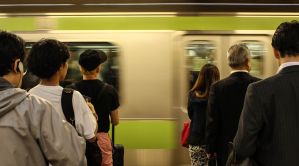
If you are visiting Tokyo for the first time, you will probably hear the words Suica and PASMO quite a lot. These are rechargeable Japanese IC cards that can make getting around the city much easier.
Instead of buying a separate paper ticket for many journeys, you load money onto the card and simply tap it at the ticket gate. The fare is deducted automatically when you complete your journey. IC cards can also be used for many buses and for small everyday purchases at participating shops, vending machines and other locations displaying the relevant IC-card logo.
For most visitors, the important thing is not choosing between Suica and PASMO — both are designed to make everyday travel easier, and their transport functions are broadly similar within the compatible IC-card network.
Suica or PASMO: Which One Should You Get?
For a typical Tokyo holiday, either a Suica or PASMO can work very well. Suica is issued by JR East, while PASMO is associated with participating private railway, subway and bus operators.
In practice, both can be used across the Tokyo metropolitan transport network and on many participating services elsewhere in Japan. The best choice is often simply the one that is easiest for you to obtain.
💡 PRO TIP Don’t spend too much time worrying about Suica vs PASMO. For a normal Tokyo sightseeing trip, convenience and availability matter more than the brand name.
How to Get a Physical IC Card
Suica

JR East offers several Suica products, including Welcome Suica for international visitors. The standard Welcome Suica is designed for temporary visitors and is valid for 28 days from the date of purchase. It has no ¥500 deposit, but its balance is not refundable.
Current Welcome Suica sales locations include selected JR East Travel Service Centers and dedicated machines at Narita and Haneda airports, as well as selected locations in central Tokyo. Availability and sales locations can change, so check JR East’s current information before your trip.
PASMO
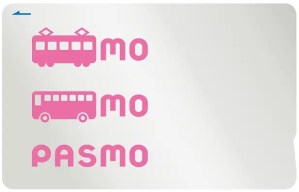
PASMO can be purchased at participating railway stations from ticket machines or ticket counters. A standard new PASMO has a ¥500 deposit. The card can then be topped up and used again.
PASMO also now offers TOURIST PASMO for international visitors. It is a special tourist card with no deposit, valid for 28 days, and available at designated locations at Haneda and Narita airports. The purchase price includes the amount loaded onto the card.
How to Charge (Top Up) Your IC Card
“Charge” simply means adding Japanese yen to your card. It is worth learning this word because you will see チャージ (charge) on machines around Tokyo.
At a station

Physical Suica and PASMO cards can be topped up at compatible ticket machines and fare-adjustment machines. Follow the English instructions, insert or place your card as indicated, select the amount and pay with Japanese yen.
The maximum stored balance is generally ¥20,000. Exact top-up denominations and machine procedures can vary.
At convenience stores and some shops
Some convenience stores and other participating shops can also top up IC cards. Ask the staff if you would like to charge your card and be ready to pay in cash for a physical card.
On some buses
PASMO can also be topped up on participating buses. The procedure and limits depend on the operator; for example, PASMO’s current guidance states that bus top-ups are made in ¥1,000 increments using ¥1,000 bills.
How to Use Suica or PASMO on Trains
Using an IC card is one of the easiest parts of travelling around Tokyo.
- At the station entrance, touch your card on the IC reader at the ticket gate.
- Wait for the gate to beep and open.
- Take your card back and continue to the platform.
- At your destination, touch the same card at the exit gate.
- The correct fare is calculated and deducted automatically.
Keep the same card with you throughout the journey. You normally do not need to work out the fare in advance.
💡 PRO TIP If the gate does not open, don’t keep tapping repeatedly. Look at the display or ask a station employee for help — especially if your balance is too low or your previous journey was not completed correctly.
How to Use IC Cards on Buses
Bus procedures vary slightly by operator. In many cases, you tap when boarding and/or when getting off, depending on the bus and fare system. Follow the IC reader instructions and watch what other passengers do if you are unsure.
Your fare is then deducted from the stored balance.
You Can Use IC Cards for More Than Trains
One of the nicest surprises for first-time visitors is that an IC card is useful even when you are not travelling.
Where the relevant IC-card logo is displayed, you may be able to use your balance at places such as convenience stores, vending machines, restaurants, coin lockers and other participating shops or facilities.
This makes an IC card a handy little travel tool: train fare, a drink from a vending machine and a quick convenience-store purchase can all be handled without searching for coins.
What About Using Suica or PASMO on Your Phone?
Digital versions are another option, particularly for travellers who already use a compatible smartphone or Apple Watch.
PASMO can be added to Apple Wallet on supported iPhone and Apple Watch models, and can be topped up through Wallet using a supported payment card. JR East also offers Welcome Suica Mobile for visitors on supported Apple devices.
The setup requirements and supported payment cards can vary, so check the official service information before relying on a mobile IC card for your trip.
💡 PRO TIP If you are unsure whether your phone, region settings or payment card will work, a physical visitor card can be a simple backup.
Important Things First-Time Visitors Should Know
IC cards are not unlimited travel passes
A Suica or PASMO is generally a stored-value payment card, not a sightseeing pass. You pay for each journey from your balance. If you plan to travel extensively in one day, compare your options with available day passes.
You still need separate tickets for some services
Using an IC card does not automatically include every type of railway ticket. For example, limited express services and Green Cars may require an additional ticket or reservation.
Watch the area rules
IC cards work across many participating networks, but there are limits. In particular, you generally cannot use a single IC-card journey to travel across separate regional IC-card areas where those areas are not mutually connected for that journey. For longer-distance travel, check the rules before you set off.
Keep your card separate at the gate
If you have several contactless cards together in a wallet or card holder, the reader may not know which one you want to use. Keep your transport IC card accessible and tap only the intended card.
Which Card Is Best for a Short Tokyo Trip?
For many international visitors staying in Tokyo for a few days or a couple of weeks, the simplest approach is to get a physical or mobile IC card that suits your circumstances, load it with a modest amount and top it up as needed.
If you are travelling from an international airport, a tourist-focused option such as Welcome Suica or TOURIST PASMO may be convenient. Remember that tourist cards have specific validity and refund rules, so check the current conditions before purchasing.
For most travellers, the real benefit is simplicity: tap, travel, and keep exploring.
We recommend getting comfortable with IC cards early in your trip. Once you have one, you will spend less time searching for ticket machines and more time enjoying Tokyo. And because IC cards can also be useful for small purchases, they fit naturally into everyday travel — whether you are heading to a sightseeing spot, grabbing a drink at a convenience store or returning to your CraftFlat home after a day in the city.
More Tokyo Travel Tips
Getting around is only one part of preparing for your (first) Tokyo trip. For more practical advice, read our guides about choosing accommodation in Tokyo and other practical articles for smooth travelling in Japan.
- Monzen-Nakacho: A Taste of Old Tokyo.
- Why Stay in Kameido? Tokyo’s Hidden Local Gem
- Why Asakusa Is the Perfect Base for Exploring East Tokyo
- How to Stay Cool During Tokyo Summer
- Cash or Credit Card?
- Visit Japan Web, the entry process for travelers
- Your First Trip to Tokyo: What to Know Before You Book Your Stay
Disclaimer
This article was checked against current official information available in August 2026. Product names, validity periods, purchase locations, deposit rules and top-up procedures can change, so travellers should confirm the latest details with the relevant operator before travelling.