

What Travellers Need to Know About Paying in Japan
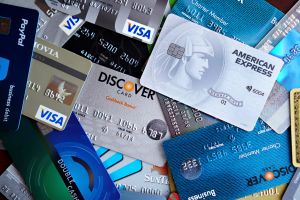 One of the most common questions people ask before visiting Japan is whether they should bring cash or rely on credit cards.
If you’ve heard stories from years ago, you may have been told that Japan is a cash-only society. While there was some truth to that in the past, things have changed considerably in recent years.
Today, credit cards and digital payments are widely accepted throughout Japan. However, carrying some cash is still a good idea, particularly if you plan to explore beyond the major tourist areas.
Here’s what travellers should know before arriving.
Is Japan Still a Cash-Based Society?
Japan has traditionally relied heavily on cash, and many visitors were once surprised by how often they needed physical yen.
Today, the situation is quite different. Most hotels, department stores, major restaurants, convenience stores and transport services in cities such as Tokyo accept credit cards and other cashless payment methods.
For many travellers, it is entirely possible to spend several days in Tokyo using a card for most purchases.
That said, cash hasn’t disappeared. Many smaller businesses still prefer it, and there are situations where having cash can save you inconvenience.
Where Credit Cards Are Commonly Accepted
In major cities such as Tokyo, Osaka and Yokohama, you’ll find that credit cards are accepted in most places visitors frequent.
These typically include:
- Hotels and serviced apartments
- Department stores and shopping centres
- Convenience stores
- Chain restaurants and cafés
- Pharmacies and drugstores
- Most attractions and museums
- Taxi apps and ride-hailing services
Visa and Mastercard are generally the safest options, while American Express and other cards may not always be accepted everywhere.
When You’ll Still Need Cash
Although cashless payments are more common than ever, carrying some cash remains a sensible travel habit.
You may encounter cash-only situations at:
- Small local restaurants
- Traditional shops
- Street food stalls
- Local markets
- Some temples and shrines
- Smaller bars and cafés
If you’re exploring residential neighbourhoods or venturing outside major city centres, cash becomes even more useful.
Rather than worrying about whether you’ll need cash, it’s often easier to simply keep a modest amount with you throughout your trip.
How Much Cash Should You Carry?
There’s no single answer, as spending habits vary from traveller to traveller.
For most visitors, carrying enough cash to cover meals, transport and small purchases for a day or two is usually sufficient.
There’s generally no need to carry large amounts of cash if you have a credit card and access to ATMs.
If you do run low, withdrawing cash in Japan is straightforward.
Finding ATMs in Japan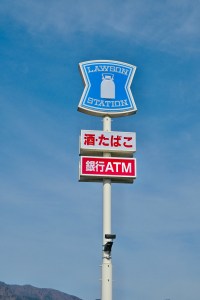
One of the easiest places for international travellers to withdraw cash is at convenience stores.
Major chains such as 7-Eleven, FamilyMart and Lawson typically have ATMs that support international cards.
Instructions are usually available in multiple languages, making the process simple even for first-time visitors.
You’ll also find ATMs at airports, railway stations and many banks.
What About Public Transport?
For transport, many travellers use rechargeable IC cards such as Suica or PASMO.
These cards can be used on trains, buses and even for purchases at convenience stores and vending machines.
While many stations now allow card payments when purchasing tickets, having some cash available can still be helpful when topping up your balance if needed.
Our Recommendation
So, should you bring cash or rely on your credit card?
The answer is simple: bring both.
A credit card will cover most of your spending in major cities, while cash provides flexibility for smaller businesses and unexpected situations.
The good news is that travellers no longer need to worry about carrying large amounts of cash throughout their trip. Japan has become significantly more convenient for international visitors whilst still maintaining some of the cash-friendly habits that have long been part of daily life.
A combination of card and cash will allow you to explore with confidence and focus on what really matters — enjoying your time in Japan.