
An old-Tokyo neighbourhood of shrines, waterways, local food and everyday life
Discover a Different Side of Tokyo in Monzen-Nakacho
 Tokyo is a city of contrasts. One moment you can be surrounded by skyscrapers, neon lights and the constant movement of the world’s largest metropolis; the next, you can turn down a quieter street and find a centuries-old shrine, a tiny izakaya, a local sweet shop or a canal reflecting the evening sky.
Monzen-Nakacho is one of the neighbourhoods where this change of pace feels especially natural. Located in Koto City in eastern Tokyo, the area is part of the historic Fukagawa district and retains the relaxed, down-to-earth character of a traditional shitamachi neighbourhood. It is close to central Tokyo, yet it feels worlds away from the busiest tourist streets.
Here, you can spend a morning exploring shrines and temples, stop for a bowl of local Fukagawa-meshi, wander beside the waterways, discover a tiny bar in the evening—and then return to a comfortable home in the neighbourhood itself.
For travellers who want to see more than Tokyo’s famous landmarks, Monzen-Nakacho offers something special: the chance to experience the city not just as a visitor, but as someone temporarily living in it.
Welcome to Fukagawa: Tokyo’s Old-Town Heart
Monzen-Nakacho is closely connected with Fukagawa, a historic area known for its traditional shitamachi atmosphere. The district was historically shaped by merchants, waterways and working communities, and traces of that past remain visible today in its temples, shrines, festivals, food and everyday streets.
The word monzen refers to an area that develops around a temple or shrine, and Monzen-Nakacho grew around two important spiritual landmarks: Tomioka Hachimangu Shrine and Fukagawa Fudo-do Temple. Their presence helps give the neighbourhood its distinctive rhythm.
This is also one of the most appealing things about exploring Monzen-Nakacho: history is not separated from daily life. It sits alongside cafés, restaurants, convenience stores, offices and homes. You might be walking past a centuries-old religious site and, a few minutes later, be choosing what to order for dinner at a lively neighbourhood izakaya.
💡Local tip: Give yourself time to wander without a strict itinerary. Monzen-Nakacho is best enjoyed slowly, especially in the late afternoon when the streets begin to transition from daytime errands to evening dining.
A Walk Through Tokyo’s Edo-Era Past
Tomioka Hachimangu Shrine: Where History Meets Festival Energy
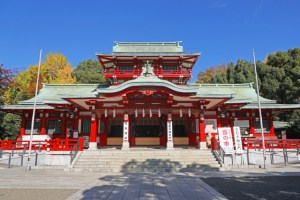 Tomioka Hachimangu Shrine was established in 1627 and is one of Fukagawa’s most important landmarks. Known locally as Fukagawa’s Hachiman-sama, the shrine has deep connections with the neighbourhood’s history and traditions.
The shrine is also associated with sumo history, adding another unexpected layer to a visit. Its grounds and surrounding area are a reminder that Tokyo’s sporting and cultural traditions have long been intertwined with local religious life.
The atmosphere changes dramatically during the annual Fukagawa Hachiman Festival, held around 15 August. It is counted among the three great festivals of Edo, and the procession of mikoshi—portable shrines carried through the streets—creates an unforgettable spectacle. The festival’s nickname, the ‘water-splashing festival’, comes from the tradition of spectators splashing water over the mikoshi bearers as they pass.
It is energetic, noisy, playful and deeply local—a wonderful example of how old traditions remain part of living neighbourhood culture.
💡Local tip: If you visit during festival season, check the latest schedule before you go. The atmosphere around Tomioka Hachimangu can be completely different from an ordinary day, and the busiest procession days attract large crowds.
Fukagawa Fudo-do: Fire, Chanting and a Different Temple Experience
Not far away, Fukagawa Fudo-do offers another side of the neighbourhood’s spiritual character. The temple is known for its powerful goma fire rituals, in which sacred wooden prayer sticks are burned as part of a Buddhist ceremony.
For visitors accustomed to Tokyo’s more familiar tourist temples, the experience can feel unexpectedly vivid. Depending on the timing of your visit, you may hear chanting and drums and see the atmosphere shift from quiet contemplation to intense ceremony.
Together, Tomioka Hachimangu and Fukagawa Fudo-do form a cultural heart for Monzen-Nakacho. Visiting both is an easy way to understand why this neighbourhood feels so connected to the history and spiritual traditions of old Tokyo.
Follow the Waterways: Discover Tokyo at a Slower Pace
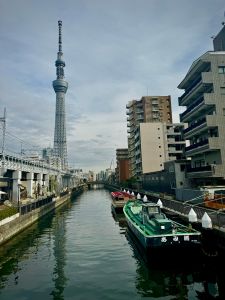 Tokyo’s waterways are easy to overlook, but they are essential to understanding how the city developed. During the Edo period, rivers and canals were major routes for moving people and goods, helping merchant districts flourish.
The wider Fukagawa area grew with this connection to water, and today the waterways offer a completely different way to experience the neighbourhood. Instead of rushing between attractions, you can simply walk, cross a bridge, pause for a photograph and watch the city move around you.
The Oyokogawa River and nearby canals are particularly atmospheric during spring, when cherry blossoms add seasonal colour to the waterfront. The area also connects naturally with the broader network of eastern Tokyo neighbourhoods, making it easy to combine a Monzen-Nakacho walk with other local discoveries.
💡Local tip: Plan your walk for late afternoon. The combination of soft light, quiet waterways and the gradual start of the neighbourhood’s evening dining scene makes this one of the most enjoyable times to explore.
A Small Piece of Engineering History: Hachiman Bridge
 If you enjoy unusual historical details, look for Hachiman Bridge, a short walk from Monzen-Nakacho Station. The bridge was originally known as Danjobashi and was built in 1878. It is recognised as Japan’s first iron bridge and offers a fascinating reminder that the history of Tokyo is not only about temples and shrines—it is also about infrastructure, engineering and the transformation of a rapidly modernising city.
Taste Fukagawa: A Neighbourhood with Its Own Comfort Food
Fukagawa-Meshi: Tokyo’s Local Dish with a Story
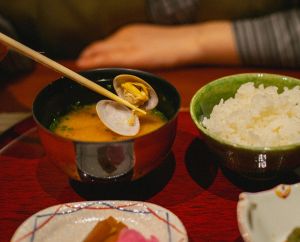 One of the best ways to understand a neighbourhood is through food, and Fukagawa has a dish with a story of its own: Fukagawa-meshi.
The dish grew from the area’s connection with clam gathering and the working communities around the waterways. Traditionally, it was a practical, hearty meal that could satisfy fishermen and workers quickly. Today, it remains a local speciality and a delicious piece of Fukagawa’s culinary history.
Recipes vary, but you will often find clams served with rice, sometimes in a miso-based soup with tofu and chopped leeks. It is simple, comforting food—and precisely the kind of local speciality that can make a trip feel more personal.
💡Local tip: Look for Fukagawa-meshi on local menus rather than treating it as a single must-visit restaurant. The fun is in discovering how different neighbourhood eateries interpret a dish with roots in local history.
From Morning Coffee to Evening Izakaya
Monzen-Nakacho is also a good neighbourhood for simply eating your way through the day. Small cafés, sushi restaurants, ramen shops, traditional sweets and casual izakaya create an atmosphere that feels much more local than the restaurant districts built around sightseeing.
In the evening, the area becomes especially appealing. Rather than a nightlife scene designed around giant clubs or crowds of tourists, Monzen-Nakacho offers the more intimate pleasure of neighbourhood dining: a warm restaurant, a plate of yakitori, a bowl of oden, a drink at a small bar and the sound of conversation spilling onto the street.
For a particularly atmospheric experience, keep an eye out for narrow side streets and small drinking alleys. These places can look unassuming from the outside, but stepping inside can be one of the most memorable parts of exploring old-town Tokyo.
💡Local tip: Some smaller restaurants in Tokyo still prefer cash, and popular local spots may fill quickly at dinner. Carry some yen and consider eating a little earlier if you want a more relaxed experience.
A Neighbourhood That Comes Alive After Dark
Monzen-Nakacho has a different kind of evening energy from Shibuya or Shinjuku. There are no giant neon screens competing for attention and no need to plan your night around famous nightlife venues.
Instead, the neighbourhood gradually comes alive. Restaurant lights glow along the streets, locals meet for dinner, and small bars begin to fill. It is a side of Tokyo that feels social without being overwhelming.
This is one reason Monzen-Nakacho can be such a rewarding place to stay. You can spend the day sightseeing elsewhere, return to your neighbourhood, and still feel that your evening has only just begun.
Getting Around Tokyo from Monzen-Nakacho
One of Monzen-Nakacho’s biggest advantages is that its local atmosphere does not come at the cost of convenience. Monzen-Nakacho Station is served by the Tokyo Metro Tozai Line and the Toei Oedo Line, providing useful connections across the city.
This makes it practical to combine a quieter home base with days spent exploring Tokyo’s major attractions. You can enjoy the traditional atmosphere of Fukagawa in the morning and still reach central Tokyo, shopping districts and waterfront attractions without spending your entire day in transit.
The key idea is balance: you do not have to choose between ‘local Tokyo’ and ‘convenient Tokyo’. Monzen-Nakacho gives you both.
💡Local tip: Use Monzen-Nakacho as your starting point, not just your return station. Some of the most enjoyable experiences here are within walking distance, so leave room in your itinerary for an unplanned neighbourhood walk.
Why Stay in Monzen-Nakacho?
Tokyo has no shortage of famous areas to stay in. Shinjuku is energetic, Shibuya is iconic, Asakusa is rich in tradition, and Ginza is synonymous with shopping and sophistication. But staying in a neighbourhood like Monzen-Nakacho offers a different kind of Tokyo experience.
You wake up in an area where people actually live. You can buy breakfast locally, walk past a shrine on your way to the station, return home through streets you recognise, and gradually become familiar with the small details that make a neighbourhood feel like yours.
For travellers who value space, privacy and a more personal experience, this can be especially appealing. Instead of spending your entire trip moving between tourist attractions, you can have a comfortable base that encourages you to slow down and explore what is around you.
Stay in Monzen-Nakacho: Kanako Hotel Monzen-Nakacho
For a stay that combines the character of traditional Tokyo with an unusually luxurious level of comfort, Kanako Hotel Monzen-Nakacho offers a memorable base in the neighbourhood.
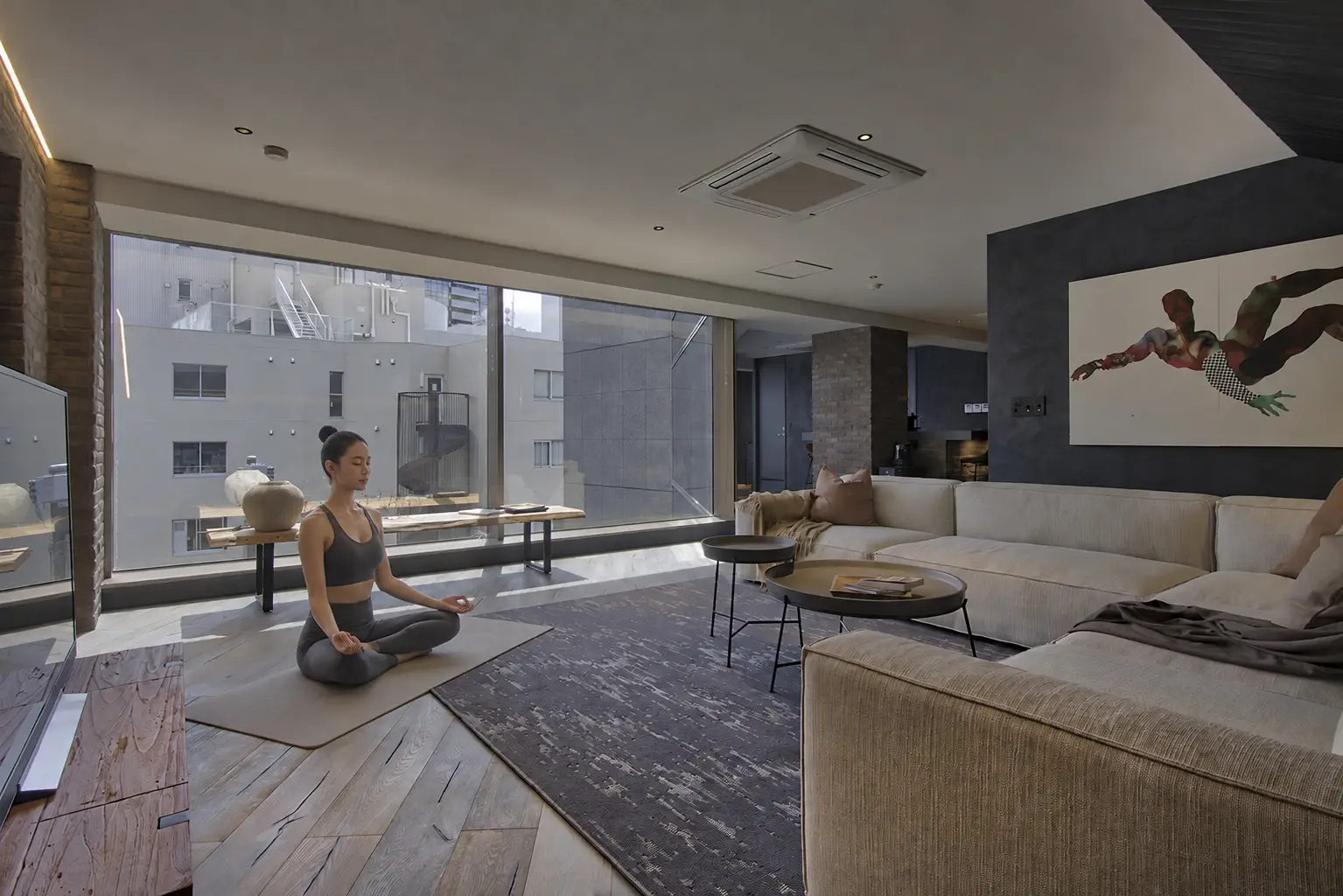
The spacious 100 m² apartment has two bedrooms and two bathrooms and can accommodate up to four guests. But the feature that immediately sets it apart is something you rarely associate with a central Tokyo neighbourhood: a private sauna.
After a day exploring shrines, waterways, local restaurants and the wider city, you can return home and unwind in your own sauna. The terrace adds another private space for relaxing, while the apartment’s generous layout gives guests room to cook, work, dine and spend time together.
It is a different way to think about a Tokyo stay. Rather than choosing between an authentic neighbourhood and a luxurious home, you can experience both.
Kanako Hotel Monzen-Nakacho is particularly suited to travellers looking for an extended stay, a spacious home for a small group, or simply a more private and comfortable way to experience Tokyo.
💡CraftFlat tip: If your ideal Tokyo trip includes local streets outside your door and a place to truly relax when you return, Monzen-Nakacho may be one of the neighbourhoods worth putting on your shortlist.
Monzen-Nakacho and the Many Faces of Tokyo
One of the best things about Tokyo is that there is no single version of the city. Every neighbourhood has its own personality.
You can explore the historic atmosphere of Asakusa, discover Kameido’s local charm and seasonal beauty, enjoy the café culture of Kiyosumi-Shirakawa, walk beside the Sumida River, experience the modern waterfront around Toyosu, or find a quieter residential rhythm.
Monzen-Nakacho adds another chapter to that story: a neighbourhood where old Tokyo survives not as a performance for visitors, but as part of everyday life.
If you want to experience Tokyo beyond the usual tourist routes, this may be the place to begin.
That’s the kind of travel experience we believe creates lasting memories. Find availability at:
CraftFlat Kanako Penthouse: https://craftflat.com/property/kanako-hotel/
More Tokyo Neighbourhood Guides
Every neighbourhood has its own personality—and the best one for your trip depends on the kind of Tokyo you want to experience.
Discover more of the city through our neighbourhood guides, from the traditional streets and temples of Asakusa to the local atmosphere of Kameido, the cafés of Kiyosumi-Shirakawa, the modern waterfront of Toyosu, and the peaceful riverside walks along the Sumida River.
Looking for somewhere to stay? Explore CraftFlat’s furnished apartments and homes in Tokyo and discover a different way to experience Japan—one neighbourhood at a time.
Practical Information at a Glance
- Area: Monzen-Nakacho / Fukagawa, Koto City, eastern Tokyo
- Station: Monzen-Nakacho Station
- Lines: Tokyo Metro Tozai Line and Toei Oedo Line
- Best for: Travellers interested in local neighbourhood life, history, temples and shrines, food, waterways and a quieter Tokyo base
- Don’t miss: Tomioka Hachimangu Shrine, Fukagawa Fudo-do, Fukagawa-meshi, the local waterways and Hachiman Bridge
- Seasonal highlight: Fukagawa Hachiman Festival around August 15; cherry blossom season along local waterways
Editor’s Note
This article is designed as a CraftFlat travel and neighbourhood guide. Opening hours, festival schedules, transport times and local events can change, so readers should check official sources before travelling.